Higher Vibes Coaching Blog
These posts were written for leaders who seek coaching and coaches working at the intersection of identity, trauma, and recovery.
Welcome to the Blog
Didn’t Do Your Coaching “Homework”? Why That’s the Best Time to Show Up.
Didn’t follow through on your coaching action plan? That moment isn’t failure—discover how reframing that changes everything to help you move forward. Showing up anyway builds real confidence, sharpens self-trust, and helps you create strategies that actually work in your life—not just on paper.

Your Best Employees Have Side Hustles. That’s the Point.
Dear recruiters and hiring managers, side hustles aren’t a red flag—they’re a power move. People with lives outside work think more sharply, burn out less, and don’t play office politics. If your team needs extra income, that’s a pay issue—not a loyalty problem.

How to Shut Down Unsolicited Advice and Micromanagement with Confidence
Some people believe they have the right to tell others what to do, but their need for control doesn’t mean you have to give in. Learn how to recognize and respond to unsolicited advice and micromanagement with direct, confident strategies that help you reclaim your autonomy and set clear boundaries—without unnecessary conflict.

Workplace Bullying and the Nervous System: How to Respond Without Losing Yourself
Workplace bullying isn't about power — it's about a dysregulated person offloading their panic onto you. Learn why bullies target confident people, what chronic exposure does to your nervous system, and how to fight back without losing yourself.
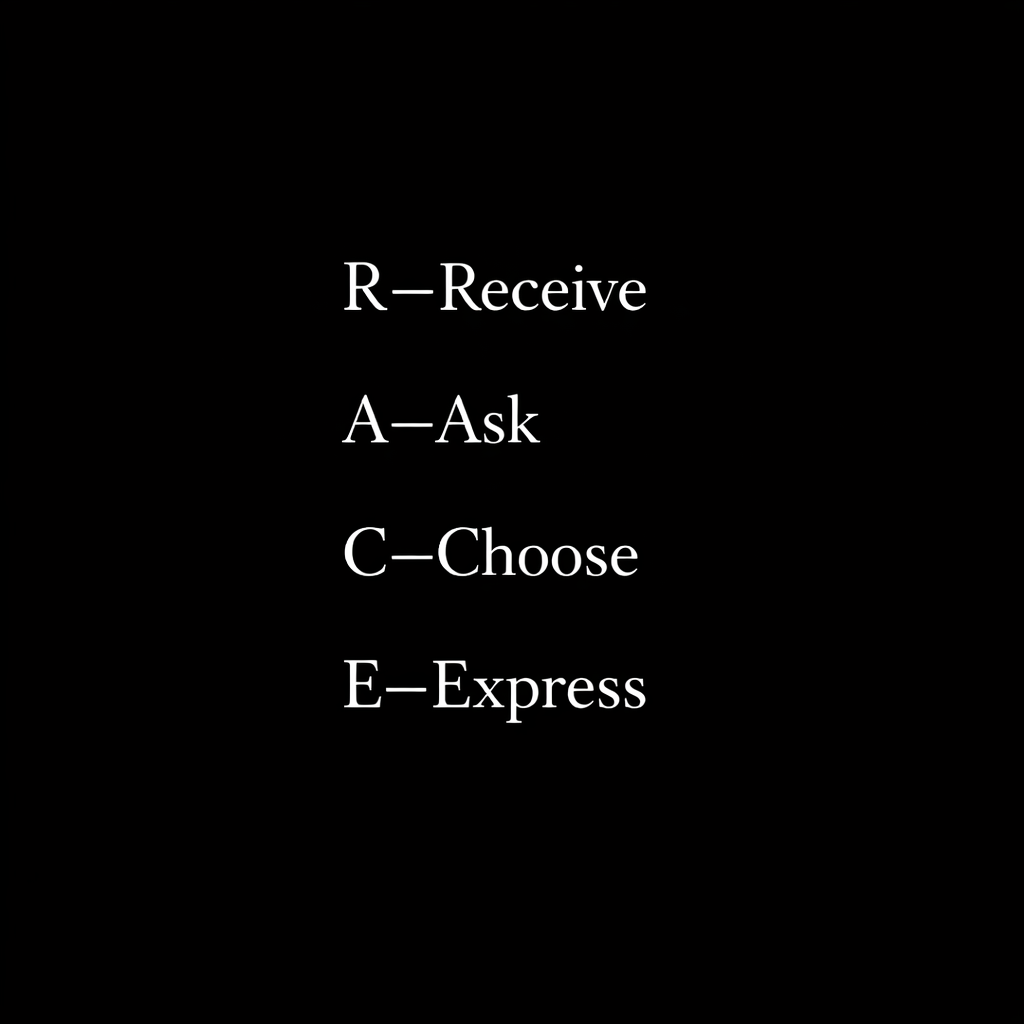
The R.A.C.E. Boundary Method: How to Set Boundaries Without Guilt or Burnout
Discover the Receive–Ask–Choose–Express (R.A.C.E.) method to set boundaries without guilt or burnout. A trauma-informed framework built for ADHD and autistic folks, BIPOC professionals, and recovering people-pleasers who want clarity and sustainable connection.
Decolonizing the Coaching Industry: Power, Patriarchy, and the Myth of Neutrality
The coaching industry promises liberation—but too often reproduces colonial and patriarchal power. This article explores how neutrality, credential culture, and “professionalism” sustain dominance, and offers practical steps toward a decolonized coaching ecosystem built for everyone.

Neutrality Is Not Silence: How Coaches and Leaders Can Honor Identity, Inclusion, and Psychological Safety
Explore why “neutrality” in coaching and leadership often becomes a tool of erasure. This in-depth article reframes neutrality as emotional maturity—not avoidance—and offers new research, inclusive frameworks, and self-reflection tools to help leaders, coaches, and teams build real psychological safety.

Using Genograms To Understand Generational Trauma
“Just live with it” isn’t resilience—it’s survival passed down as strength. This article explores how generational trauma becomes identity, and how coaches can use genograms to trace emotional inheritance, unmet needs, and patterns of silence. By mapping family systems with empathy and boundaries, trauma-informed practitioners help clients replace endurance with connection, creating space for self-trust and intergenerational healing.

CARE Framework: A Neuroscience-Backed Way to Manage Time, Energy, and Focus
For creative, sensitive, or neurodivergent minds, traditional time management methods may not be a good fit. The Higher Vibes CARE Framework offers a gentler, neuroscience-informed way to prioritize — one that honors your energy cycles, executive function, and need for rest. Learn to organize your week with clarity, calm, and self-compassion

Adapting the GROW Model with AI for Neurodivergent Clients
Integrating AI with the GROW model enhances adaptability, inclusivity, and personalization for neurodivergent individuals, empowering them with greater self-agency. By leveraging AI for insights, flexible goal-setting, and accountability, ND clients can overcome executive dysfunction, improve brainstorming, and develop action plans that align with their unique thinking styles, while human coaches provide essential emotional depth and ethical guidance for sustainable growth.

BIPOC Managers: Lead Without Losing Yourself
Being a BIPOC manager means balancing leadership, mentorship, and unspoken expectations—often at the expense of your well-being. Here, we break down the unique challenges, burnout risks, and systemic barriers BIPOC leaders navigate, backed by data, with actionable insights on how to lead without sacrificing yourself.

5 ADHD Coaching Mistakes That Sabotage Progress (And What to Do Instead)
Coaching ADHD clients isn’t just about productivity hacks—it’s about understanding how their brains actually work. Here are five common coaching mistakes that can backfire, plus smarter, ADHD-friendly strategies that lead to real results

The Myth of “I Can Coach Anyone”: How Lily Zheng’s FAIR Framework Elevates Coaching
Discover why the belief that “I can coach anyone” can be harmful to clients and the coaching profession in this eye-opening case study. Learn how Lily Zheng’s FAIR Framework (Fairness, Access, Inclusion, and Representation) can help coaches develop cultural competence and create truly equitable, client-centered coaching experiences.

Coaches: Using the Narrative Coaching Model Through an Intersectional Lens
Traditional narrative coaching often focuses on individual mindset shifts without addressing systemic oppression. An intersectional approach helps clients reframe their stories while acknowledging external barriers, validating lived experiences, and fostering both personal and collective empowerment.

Coaches: Make the Be-Do-Have Model More Intersectional
The Be-Do-Have Model is often framed in a way that assumes everyone has equal access to the same opportunities, but that’s not the reality for people navigating systemic barriers due to race, gender, disability, class, or other intersectional factors. If coaches want to make it more intersectionality-friendly, we need to acknowledge privilege and structural challenges and redefine success beyond dominant narratives.

5 ADHD Brain Hacks Using NLP: Boost Focus, Motivation & Stop Overthinking
Struggling with ADHD procrastination, focus issues, or mental spirals? These five ADHD-friendly NLP techniques will help you rewire your brain for motivation, stop overthinking, and activate hyperfocus on command—without forcing yourself into a neurotypical productivity mold.

The Lasting Impact of Domestic Abuse: How It Affects Survivors at Work and Beyond
The impact of domestic abuse is profound, reverberating across many lives. It affects survivors' presence and ability to advocate for themselves. At work, it undermines their relationships, performance, and career outlook. Survivors often feel haunted by their abusers, who creep into all aspects of their lives, like unrelenting zombies. Read this—it could change lives, perhaps even your own.