Higher Vibes Coaching Blog

Read This if People Don’t “Hear” What You Have to Say
This is a practical guide for anyone tired of being talked over or ignored. It’s especially for you if anxiety, trauma, bullying, culture, or neurodivergence have minimized your voice. Here’s a step-by-step way to bring your voice back online—gently, clearly, and on your terms. These steps aren’t about being louder — they’re about feeling safe and confident enough that your voice doesn’t have to hide.

Getting the ADA Accommodations You Deserve as a Neurodivergent or Disabled Professional
Workplace accommodations shouldn’t be a fight, but for many neurodivergent and disabled employees, the process is confusing, draining, and often mishandled by employers. This article explains your ADA rights, the true meaning of the interactive process, and how to advocate for yourself without oversharing medical information. You’ll learn how to document delays, build allies, and stay grounded — even if you’re facing discrimination, retaliation, or systemic resistance.
Anger Isn’t the Enemy — It’s the Alarm
Anger isn’t the enemy — disconnection is. Learn how DBT tools like HALT can help you manage anger mindfully, transforming emotional chaos into clarity and compassionate leadership.
Stop Asking Me to Fit In: A Love Letter to the Brave Weirdos at Work
It takes courage to examine what “belonging” actually looks and feels like, so it becomes accessible to more people. Learn how relational leadership and brave authenticity transform workplaces into spaces of trust, repair, and innovation.
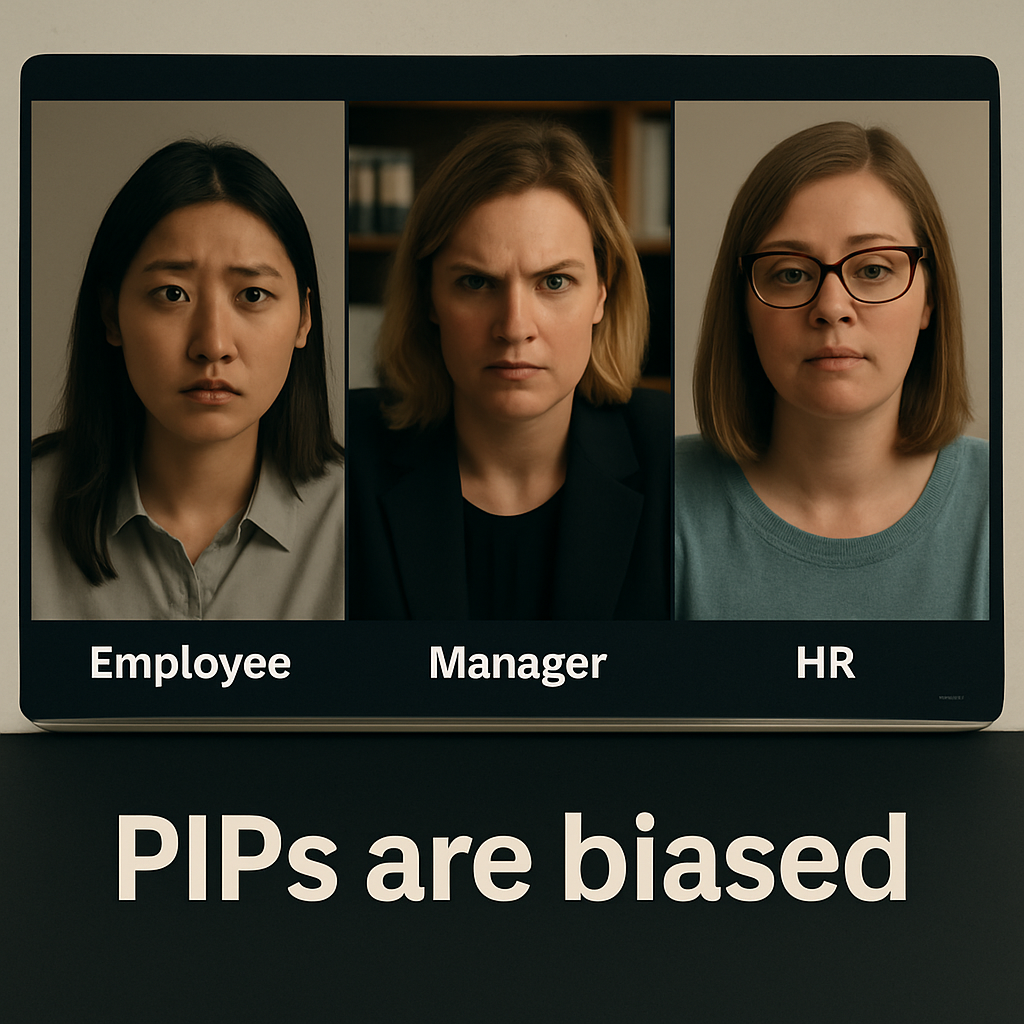
Performance Improvement Plans are Biased. Now What?
Performance Improvement Plans (PIPs) are the illusion of fairness. If you’re on one—or giving one—read this before you cause or endure more harm. This deep dive exposes how PIPs damage mental health, reinforce bias, and ignore ADA protections—and includes checklists for employees, managers, and HR. Plus, a glimpse at what comes next: the Human Development Plan.

High, Numb, or Healing? Rethinking Your Relationship with Weed
Weed can soothe, silence, or support you — depending on how you use it. Learn the science, spot your patterns, and find harm-reduction tools that help you heal.

The ADHD / AuDHD Recovery Loop: Why You Burn Out After Every Comeback
ADHD burnout isn’t just exhaustion — it’s chemistry, culture, and chaos colliding. This deep dive unpacks how ADHD and AuDHD brains self-medicate with stimulants and sedatives: caffeine, Adderall, nicotine, THC, alcohol, and anti-anxiety meds. Discover why dopamine spikes, sensory overload, and masking create a perfect storm of overdrive and collapse. You’ll learn how the ADHD recovery loop really works — from hyperfocus highs to emotional hangovers — and why it’s not addiction but adaptation.

When People Police You: Their Reactions Say More About Them Than You
When people correct your tone, shrink your expression, or accuse you of being “too much,” it’s not about your behavior — it’s about their discomfort. This article explores the psychology of tone policing, projection, and envy in personal and professional spaces. Learn why people react defensively to authenticity, how silence enables control, and what it means to stand in your power without apologizing for it.

The Heartache of “Passing”
Passing as white, straight, or able may look like a privilege, but it often feels like exile. Here’s an honest look at the science, strain, and healing of masking race, sexuality, and whatever your identity is.

CARE Framework: A Neuroscience-Backed Way to Manage Time, Energy, and Focus
For creative, sensitive, or neurodivergent minds, traditional time management methods may not be a good fit. The Higher Vibes CARE Framework offers a gentler, neuroscience-informed way to prioritize — one that honors your energy cycles, executive function, and need for rest. Learn to organize your week with clarity, calm, and self-compassion

4-Week Confidence Activation Challenge
Build lasting confidence through neuroscience-informed, trauma-aware coaching tools that strengthen courage and self-trust. This 4-week Confidence Activation Challenge guides you step-by-step from emotional regulation to embodied action—using mindfulness, journaling, and micro-exposure exercises to reduce anxiety, rewire negative self-talk, and create authentic confidence that feels aligned, not forced. Discover how to calm your nervous system, expand your comfort zone, and cultivate courage in manageable, sustainable ways.
Time Management Frameworks and Tools for Focus and Energy
Learn practical time management frameworks and tools that help you focus on what truly matters. Discover proven systems for prioritizing tasks, reducing overwhelm, and managing your energy—not just your schedule.

The Neuroscience of Self-Leadership: How to Activate Your Inner Leader in 5 Steps
Learn how to activate your inner leader through five science-backed steps that connect your strengths, values, and vision. This guide blends neuroscience and positive psychology to help you lead with clarity, confidence, and purpose — starting from within.

Adapting the GROW Model with AI for Neurodivergent Clients
Integrating AI with the GROW model enhances adaptability, inclusivity, and personalization for neurodivergent individuals, empowering them with greater self-agency. By leveraging AI for insights, flexible goal-setting, and accountability, ND clients can overcome executive dysfunction, improve brainstorming, and develop action plans that align with their unique thinking styles, while human coaches provide essential emotional depth and ethical guidance for sustainable growth.

ADHD vs. Autism: Key Differences, Overlapping Traits, and How to Get the Right Diagnosis
ADHD and autism share traits like masking, sensory overload, and social exhaustion, but they are distinct neurotypes (even though there is often an overlap). Learn how to tell the difference, why ADHDers may seem autistic, and how to get an accurate diagnosis.

From Invisible to Unstoppable: How to Be a Thought Leader Without Masking
Struggling to gain visibility despite being an expert in her field, Tara felt shut out on social media. This case study reveals how coaching helped her transform her approach, build influence on her own terms, and land industry recognition—without chasing validation. It also includes tips to help you reframe feeling too different as an advantage, not a liability.

5 ADHD Coaching Mistakes That Sabotage Progress (And What to Do Instead)
Coaching ADHD clients isn’t just about productivity hacks—it’s about understanding how their brains actually work. Here are five common coaching mistakes that can backfire, plus smarter, ADHD-friendly strategies that lead to real results

10 Tips to Help ADHD Students Stay on Track When Home Life is Chaotic
When there’s a lot going on at home—whether it’s loud siblings, family stress, or constant distractions—staying focused can feel impossible, especially for students with ADHD. But with the right strategies, you can create a sense of control and structure, even in a busy environment. Here are 10 practical tips to help ADHD students stay on track. Not every tip will be a perfect fit, so experiment and see what helps the most. ADHD brains thrive with structure, movement, and rewards, so keep things simple, flexible, and fun!

Three Easy Ways for Teens with ADHD to Stay Organized
If you identify with ADHD, staying on top of school projects and goals can feel impossible. Long to-do lists get overwhelming, deadlines sneak up, and sometimes, your brain just doesn’t want to start. But don’t worry—you don’t need a complicated planner or strict schedule. You just need a system that works for your brain. Here are three simple and ADHD-friendly ways to stay organized for short-term, mid-term, and long-term projects.

Eating Disorders, ADHD & RSD…Oh My!
ADHD, rejection-sensitive dysphoria (RSD), and eating disorders often intertwine, creating a relentless cycle of perfectionism, emotional dysregulation, and distorted self-perception. Learn how these overlap and some actionable coaching strategies to start to break free from this cycle.