Higher Vibes Coaching Blog

The Neuroscience of Self-Leadership: How to Activate Your Inner Leader in 5 Steps
Learn how to activate your inner leader through five science-backed steps that connect your strengths, values, and vision. This guide blends neuroscience and positive psychology to help you lead with clarity, confidence, and purpose — starting from within.

Wayward and “Hot Seat” Therapy: Why These Methods Cause More Harm Than Healing
Confrontational counseling, attack therapy, and “hot seat” methods—like those dramatized in the Wayward series—are harmful, retraumatizing, and linked to poor recovery outcomes. Learn safer, trauma-informed alternatives.

ADHD and Eating Disorders Overlap — and How Recovery Coaching Can Help
ADHD and eating disorders often overlap. Learn how a trauma-informed recovery coach helps with binge eating, food struggles, and ADHD-friendly routines.

Recovery Coaching: How Two Sessions Can Transform Your Mindset and Self-Care
Looking for a food addiction recovery coach? Discover how just two sessions can transform your mindset, support food recovery, rewire patterns, and foster healthier self-care choices.

Adapting the GROW Model with AI for Neurodivergent Clients
Integrating AI with the GROW model enhances adaptability, inclusivity, and personalization for neurodivergent individuals, empowering them with greater self-agency. By leveraging AI for insights, flexible goal-setting, and accountability, ND clients can overcome executive dysfunction, improve brainstorming, and develop action plans that align with their unique thinking styles, while human coaches provide essential emotional depth and ethical guidance for sustainable growth.

20 Things to Say to Bros To Take Your Power Back
Sometimes, you don’t want to debate a “bro”—you want to shut him down and keep it moving. Whether it’s at work, on a date, or just existing in the world, here’s how to shut that s**t down. And also, a lady can be a “bro” too…and that’s extra messed up!

It Sucks to Be Scapegoated for Telling the Truth
When you name what’s not working—at work or in your family—you’re often seen as the problem, even when you’re trying to create safety or help. This piece offers insight into why truth-telling can make people defensive and what it can cost to stay honest in systems built on silence.

10 Things Coaches Should Reveal to Clients
Many coaches are taught to ask powerful questions, but they are often not taught to be powerful witnesses. There’s a huge difference between holding space and being real in it. So here’s my spicy, soulful list of 10 Things Coaches Should Reveal to Their Clients—not to center themselves, but to model radical honesty, safety, and shared humanity.

10 Truths About Recovery Every Coach and Client Should Know
Coaching someone in recovery—or coaching yourself—requires more than tools and credentials. These 10 truths cover harm reduction, relapse, identity shifts, and the deep impact of trauma and systemic oppression. If you’re a life coach, wellness practitioner, or trauma survivor learning to lead yourself, this guide lays the foundation for recovery-oriented, trauma-informed coaching that actually supports healing.

Hot Seat Therapy and 360° Reviews Are the Same Bullsh*t
Too many internal coaches and managers still measure growth by how well you conform to other people’s expectations—especially if you’re neurodivergent, BIPOC, queer, or disabled. The result? More masking. More burnout. Less truth. This post offers a radical reframe of feedback. We’ll also dig into why the beloved 360° review process often mirrors a shady group therapy tactic called hot seat therapy—and how both can go off the rails without care, consent, and context.

When “You Got This Feels” Like a Slap
Tired of hearing “You got this!” when you’re barely hanging on? Here are 15 phrases that sound supportive—but can actually leave you feeling alone—and what to say instead to get the real help you need.

BIPOC Managers: Lead Without Losing Yourself
Being a BIPOC manager means balancing leadership, mentorship, and unspoken expectations—often at the expense of your well-being. Here, we break down the unique challenges, burnout risks, and systemic barriers BIPOC leaders navigate, backed by data, with actionable insights on how to lead without sacrificing yourself.

When Trauma Pulls You Back, You’re Still Moving Forward
Growth means facing past wounds with new awareness, not starting over. When trauma resurfaces, it’s proof of progress—showing you can respond differently. Here’s how to keep moving forward.

ADHD vs. Autism: Key Differences, Overlapping Traits, and How to Get the Right Diagnosis
ADHD and autism share traits like masking, sensory overload, and social exhaustion, but they are distinct neurotypes (even though there is often an overlap). Learn how to tell the difference, why ADHDers may seem autistic, and how to get an accurate diagnosis.

From Invisible to Unstoppable: How to Be a Thought Leader Without Masking
Struggling to gain visibility despite being an expert in her field, Tara felt shut out on social media. This case study reveals how coaching helped her transform her approach, build influence on her own terms, and land industry recognition—without chasing validation. It also includes tips to help you reframe feeling too different as an advantage, not a liability.
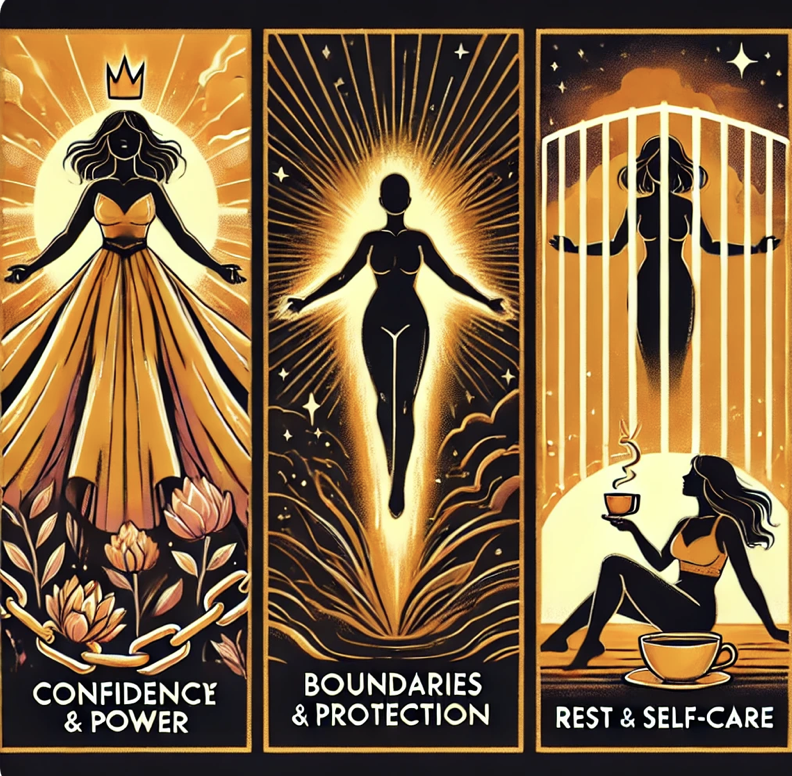
Sassy Quotes to Boost Confidence, Set Boundaries, and Own Your Energy
Confidence is your birthright. These unapologetic quotes will help you stand tall, enforce boundaries like a pro, fight through challenges with resilience, and prioritize rest without guilt—because your energy is priceless, and survival is an art form.

Why So Many Fake Executive Coaches?
Why is “Executive Coach” the hottest (and most overused) title in coaching? This bold take calls out the hype, reveals why real senior-level business experience matters, and offers better title alternatives to build trust—and attract the right clients.

5 ADHD Coaching Mistakes That Sabotage Progress (And What to Do Instead)
Coaching ADHD clients isn’t just about productivity hacks—it’s about understanding how their brains actually work. Here are five common coaching mistakes that can backfire, plus smarter, ADHD-friendly strategies that lead to real results

5 Signs It’s Not Psychologically Safe (and You Should GTFO)
Navigating social interactions in today’s politically charged climate can feel exhausting. Learn how to quickly recognize unsafe conversations, set boundaries, and decide when to engage—or walk away—to protect your psychological well-being.

Marisol’s Story: Choosing Herself in a World That Won’t Stop Questioning Her
Marisol, a recent college grad, struggles with modern dating pressures, cultural misunderstandings, and so-called progressive men who don’t respect her boundaries. They even went as far as to call her racist for wanting to date within her culture. Through coaching, she learns to trust herself, set firm limits, and embrace dating on her own terms. Read her story.